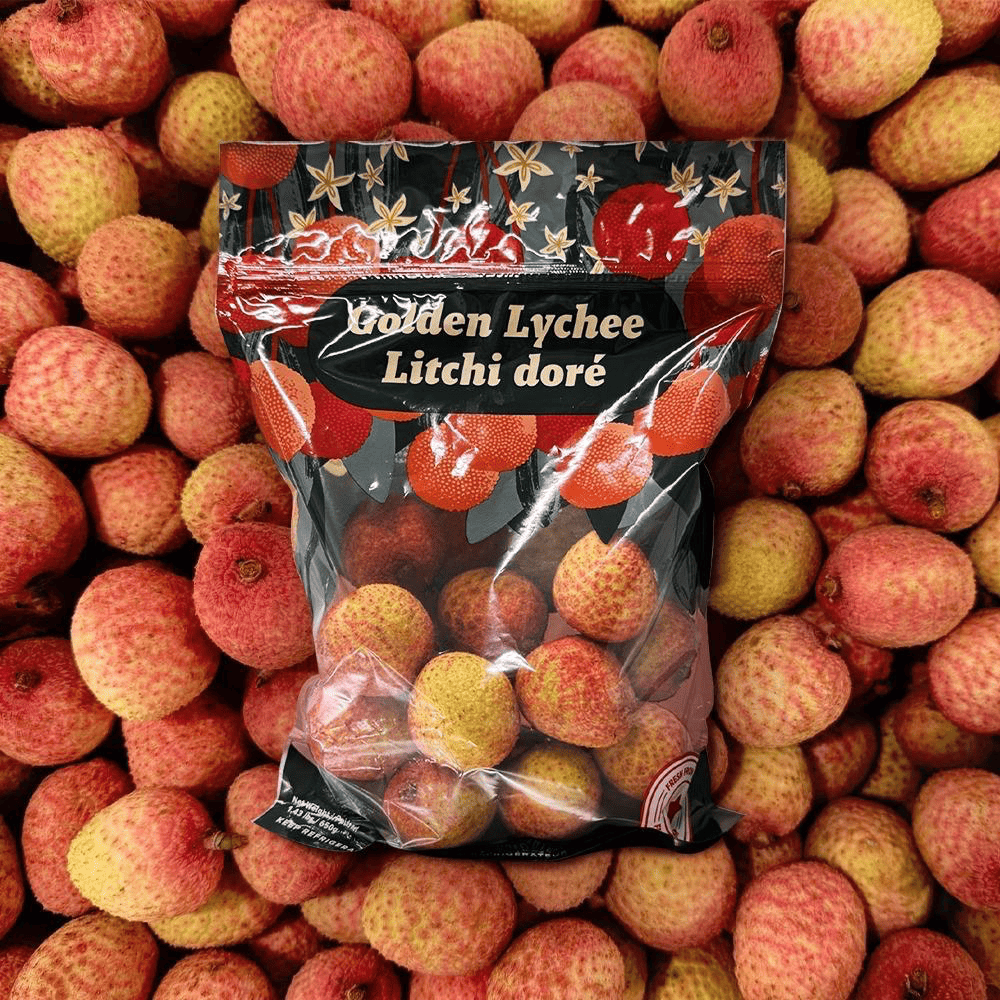
Following a record-breaking Lunar New Year retail push for premium Asian produce, Dragonberry Produce is looking ahead to the future of global trade.
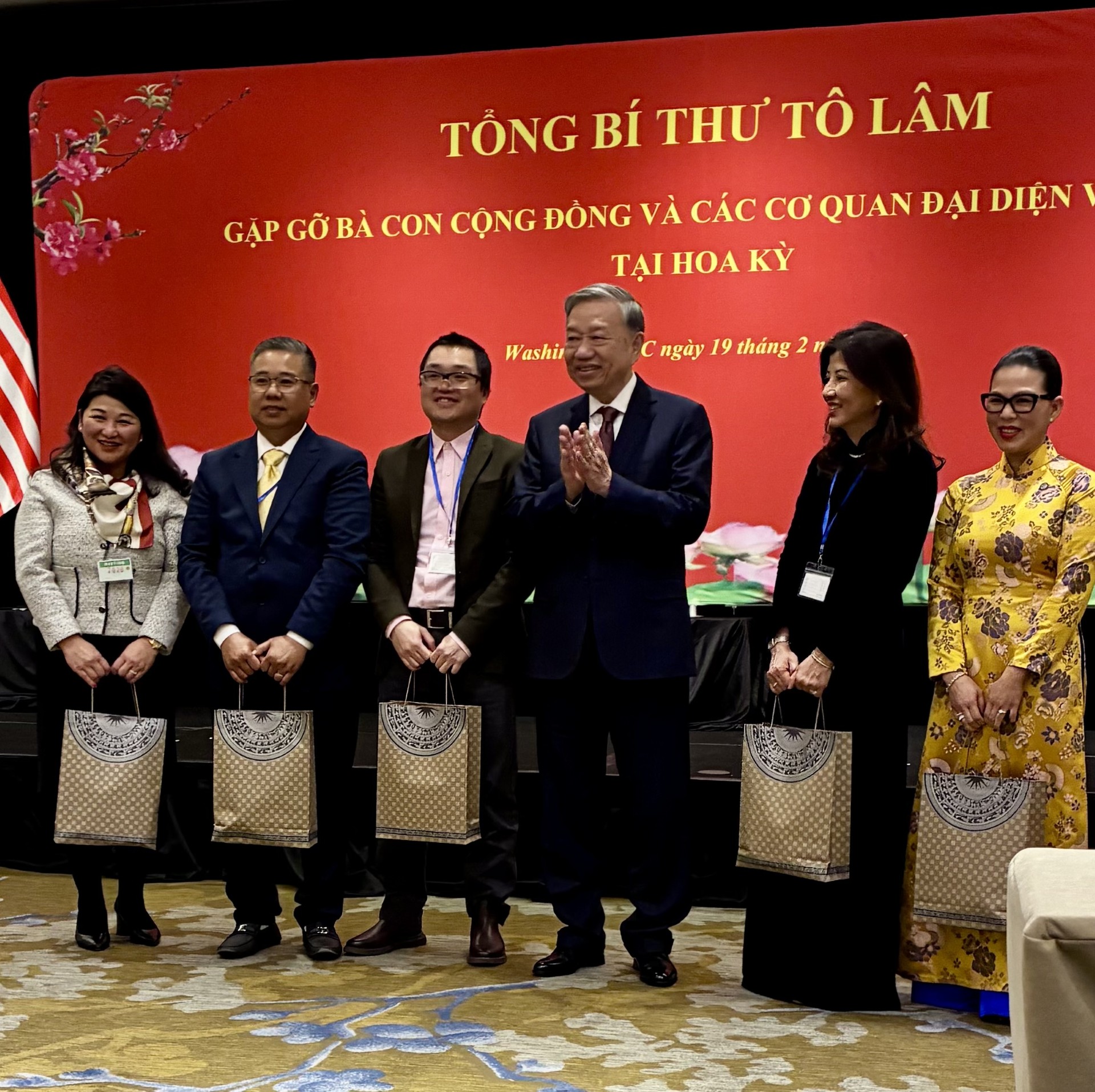
On February 19, 2026, while Vietnam’s leadership convened in Washington, D.C. for an international peace summit, Dragonberry founder Amy Nguyen was invited to address General Secretary Tô Lâm and a high-level delegation. She arrived with nearly three decades of industry experience, and a bold new mandate for the sector.
For years, Vietnamese agriculture has been measured in tonnage, the sheer volume of fruit moving across borders. In her address, Nguyen proposed a different unit of measure entirely.

This reframe speaks to a fundamental question that international markets ask of any agricultural origin: can we trust what’s coming out of this place? Building lasting global confidence requires alignment across government, growers, scientists, and logistics partners moving under a shared standard of excellence.
To turn this premium brand vision into reality, Nguyen shared two major operational milestones actively reshaping the U.S.-Vietnam agricultural supply chain.
First, expanding critical export capacity. Dragonberry is officially supporting the newly established Hanoi Irradiation Center. Now approved by Vietnam’s Ministry of Agriculture and Environment, the U.S. Department of Agriculture (APHIS), this facility provides the regulatory bridge that allows highly sought-after fruits like lychees and longans to clear U.S. quarantine. Building this capacity inside Vietnam is exactly what scaled exports require.
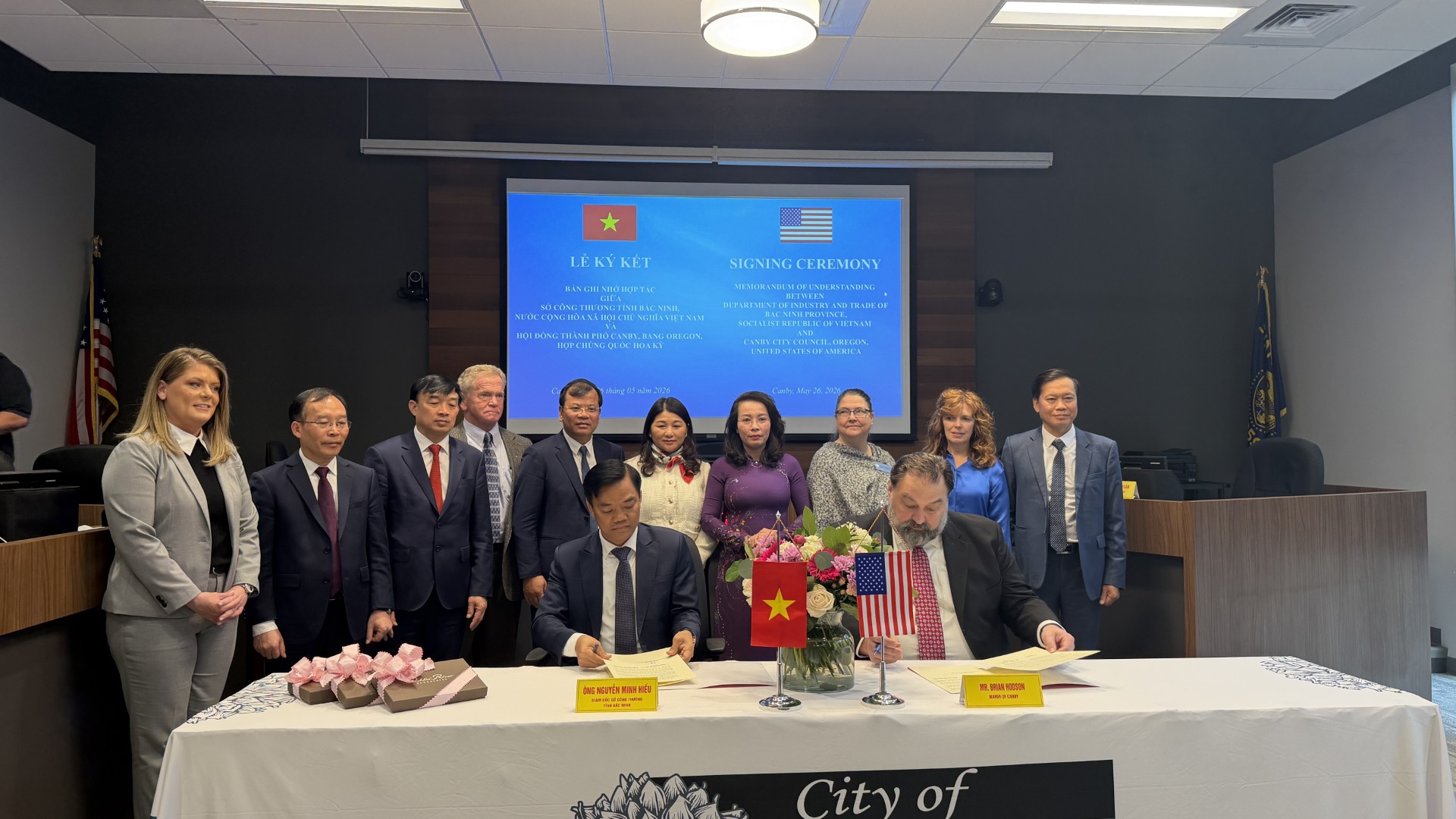
Second, securing the supply side. Dragonberry International has officially received approval to operate directly in Vietnam. After more than two decades of growing the demand side of the U.S.-Vietnam fruit trade from Canby, Oregon, the company can now match it at the source, ensuring regional infrastructure meets its global ambitions.
Recognizing that these monumental shifts require strong public-private collaboration, Nguyen took the opportunity to acknowledge the vital state partnerships that turn these ambitious goals into actionable trade. She specifically thanked Ambassador Nguyen Quoc Dzung, Consul General Hoang Anh Tuan, and Vice Minister of Agriculture and Environment Dr. Hoang Trung for their ongoing leadership.
The closing of her address captured what is ultimately at stake:
Vietnamese fruits are expanding their footprint from established markets in North America and Japan toward upcoming markets in Australia and the European Union. Long known as the “Fruit of Kings,” they are on their way to the global stage with the quality and prestige they deserve.
The address in Washington was the announcement. The work is what follows.