Dragonberry’s logo fuses two animals, a dragon and a St. Bernard dog. The pairing is deliberate.
That single image is the operating principle. Strength, to bring in what others won’t. Loyalty, to the growers who make it possible. It is the company in symbol.
In her conversation with the Review, Nguyen offered the closest thing yet to a portrait of how Dragonberry came to be, and what it has been working toward for the last twenty-two years.
A Bay Area student who never went home
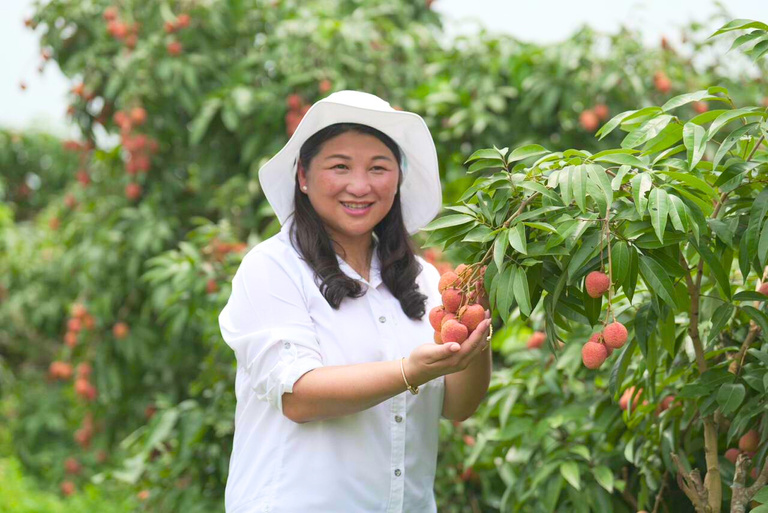
Nguyen, a Lake Oswego resident, founded Dragonberry Produce in 2004 from a base in Canby, Oregon. Originally from the Bay Area, she studied biology at the University of San Francisco before coming north to earn a Bachelor of Science and Marketing from Eastern Oregon University. She fell in love with the state and ended up staying.
After graduating, she joined one of Oregon’s largest carrot growers and discovered her gift for connecting growers to distribution and markets, the seed of what Dragonberry would become.
The path was not smooth.
Her inspiration was Frieda Rapoport Caplan, founder of Frieda’s Specialty Produce, the company that famously imported and named the kiwifruit in the United States.
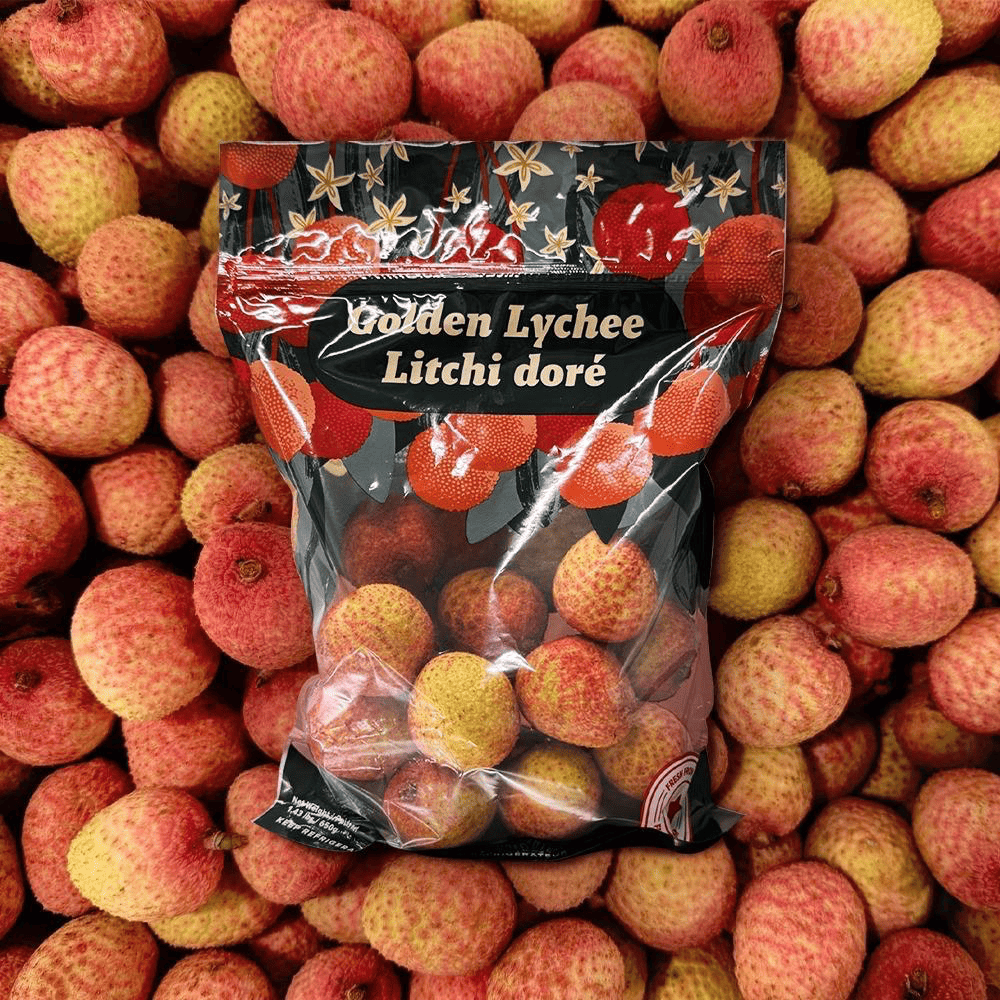
Frieda made her name with the kiwifruit. Nguyen plans to make hers with the Golden Lychee.
Purpose, designed in
The principle that anchors the work is unusually plainspoken for a company of Dragonberry’s scale.

Two words inside that quote do the heavy lifting: abundance and community. They are what shows up on the shelf, and what shows up in how Dragonberry works.
On the shelf: Golden Lychee where there used to only be the regular red apple. White Opal Dragonfruit. Asian Pears branded as Moonlicious. Green Dragon apples that taste nothing like a Granny Smith.
In the work: 300+ growers across Vietnam, with orchards ranging from 20 acres to 2,000. Partnerships across the Pacific Northwest, Mexico, and South America. The first LEED-certified produce distribution building in Oregon, the Canby campus that the Review described as “clean, pristine, like a laboratory.”
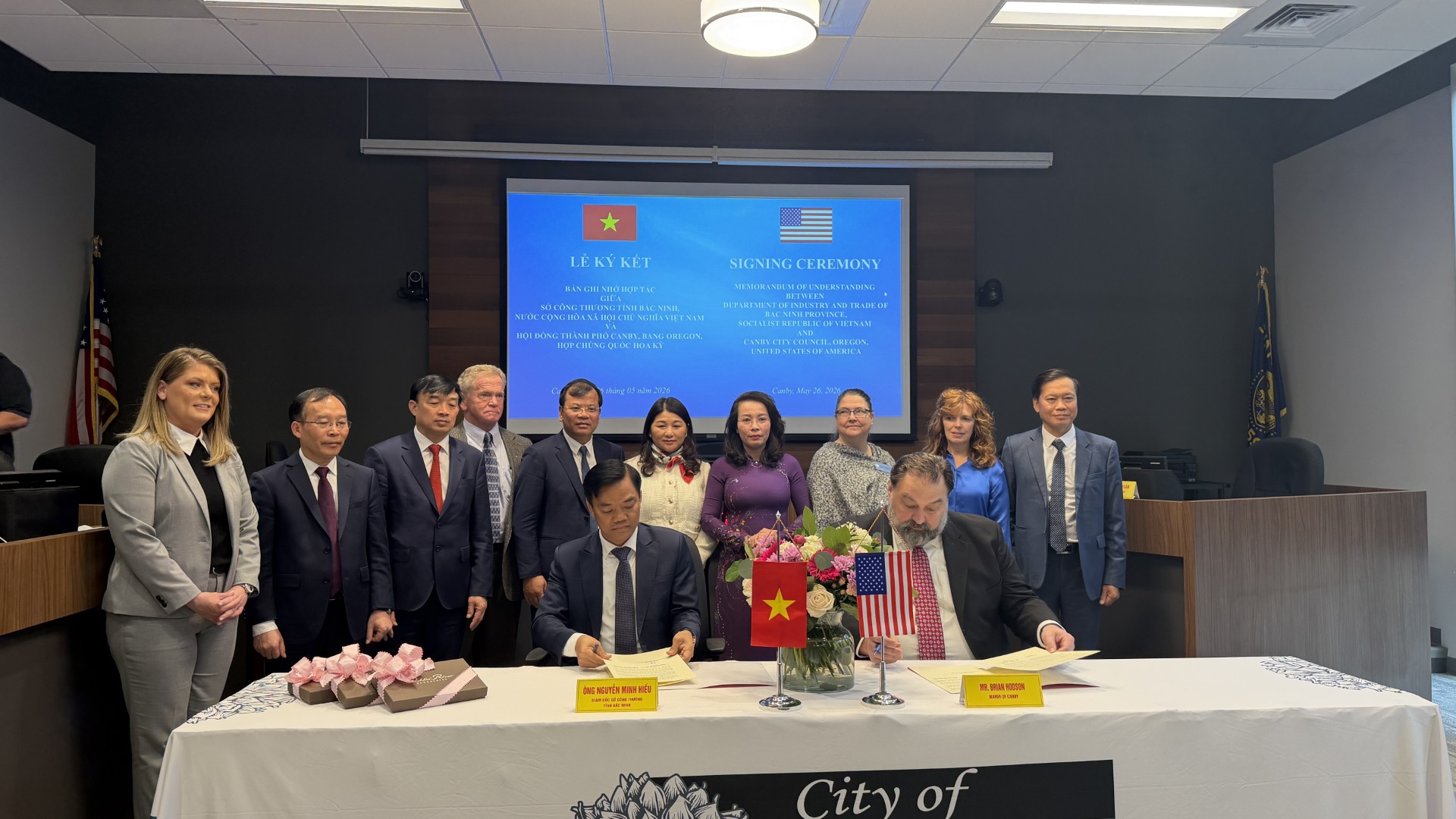
Outside the company: Nguyen is co-founder and president of the United Vietnam Alliance, the nonprofit that recently helped initiate the Canby-Bắc Giang sister-city partnership.
A bridge, in two directions
Earlier this year, Nguyen had the opportunity to address Vietnam’s General Secretary Tô Lâm in Washington, D.C. (See: From Volume to Vision.) The Lake Oswego Review captured her reflection on the moment.
The bridge Dragonberry builds is not only commercial. It runs in two directions, carrying Vietnamese orchards onto American shelves, and carrying American specialty-grocery sophistication back to Vietnamese growers as a standard to meet.
It is a bridge that holds even when conditions get rough. Last year’s tariffs on Vietnamese imports affected the company significantly before being lifted for agricultural products. For Nguyen, the time horizon is the answer either way.
The dragon and the St. Bernard, both at work
From a Lake Oswego home and a Canby warehouse, Nguyen moves the world’s specialty fruits onto American tables. The dragon, strong and audacious. The St. Bernard, loyal and on its way to help. Both at work, every day, all of it on purpose.